


16-07-2016, 09:24
(This post was last modified: 16-07-2016, 09:33 by Palmyweather.)
I am pleased to announce my new TX outside enclosure box. This has been redesigned after 7 months use of my first design.
I have learned a lot in these 7 months and it was time to put what I have learned into practice. A few notes follow:
A lot of this has already been said and discussed in other parts of this forum, but I thought it would be good to share my experiences.
Happy weather watching everyone.
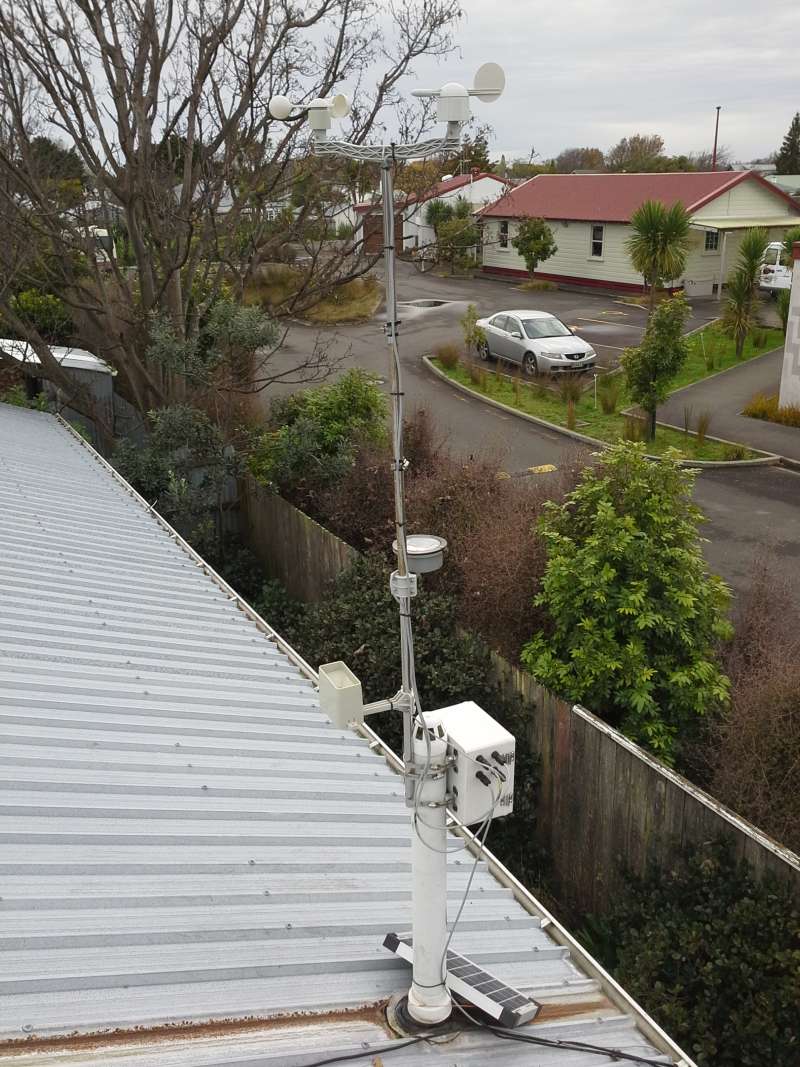
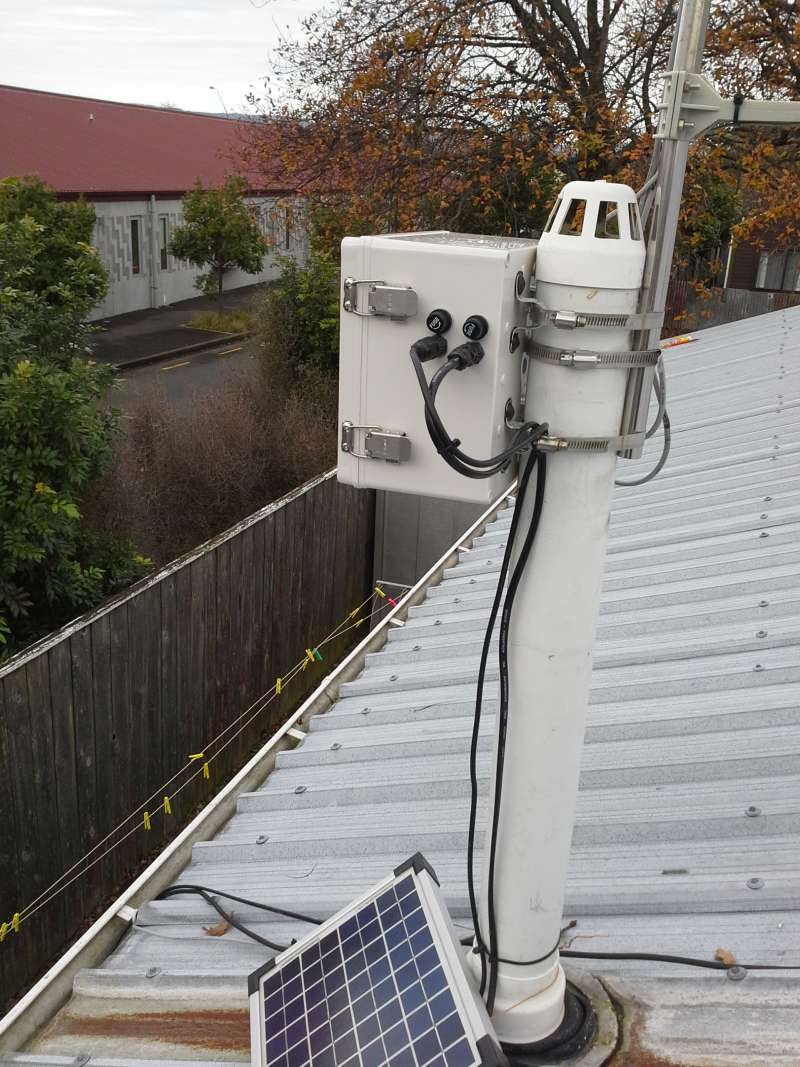
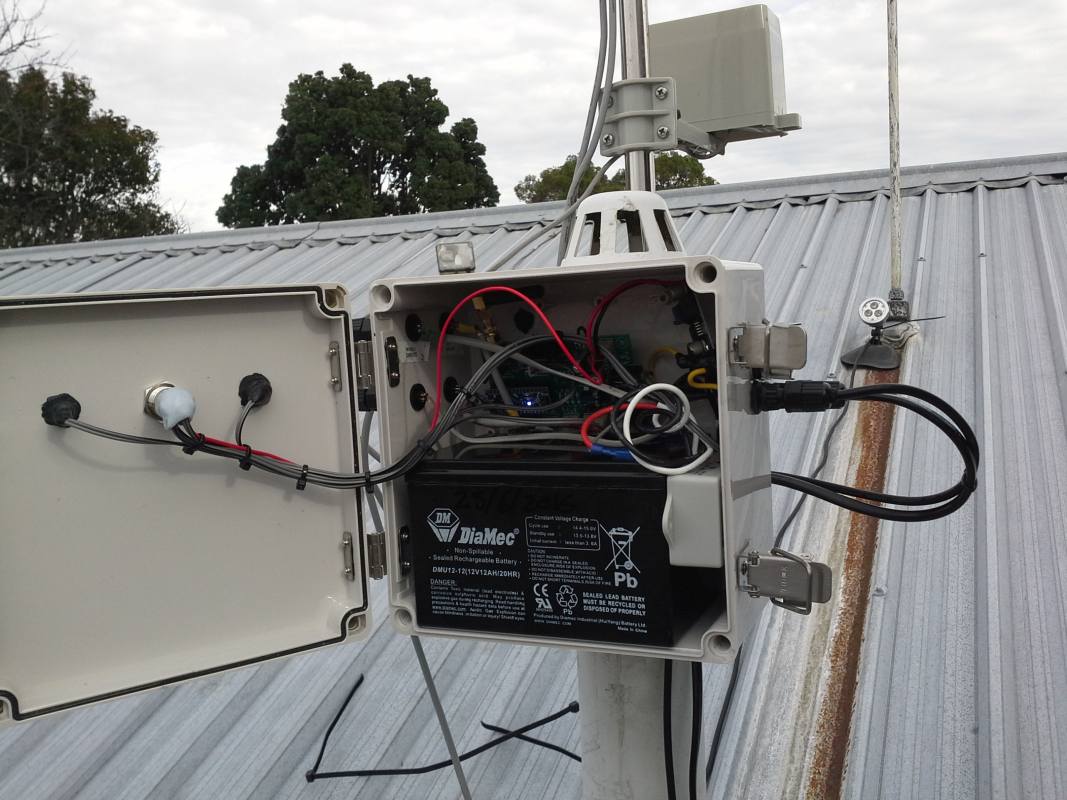
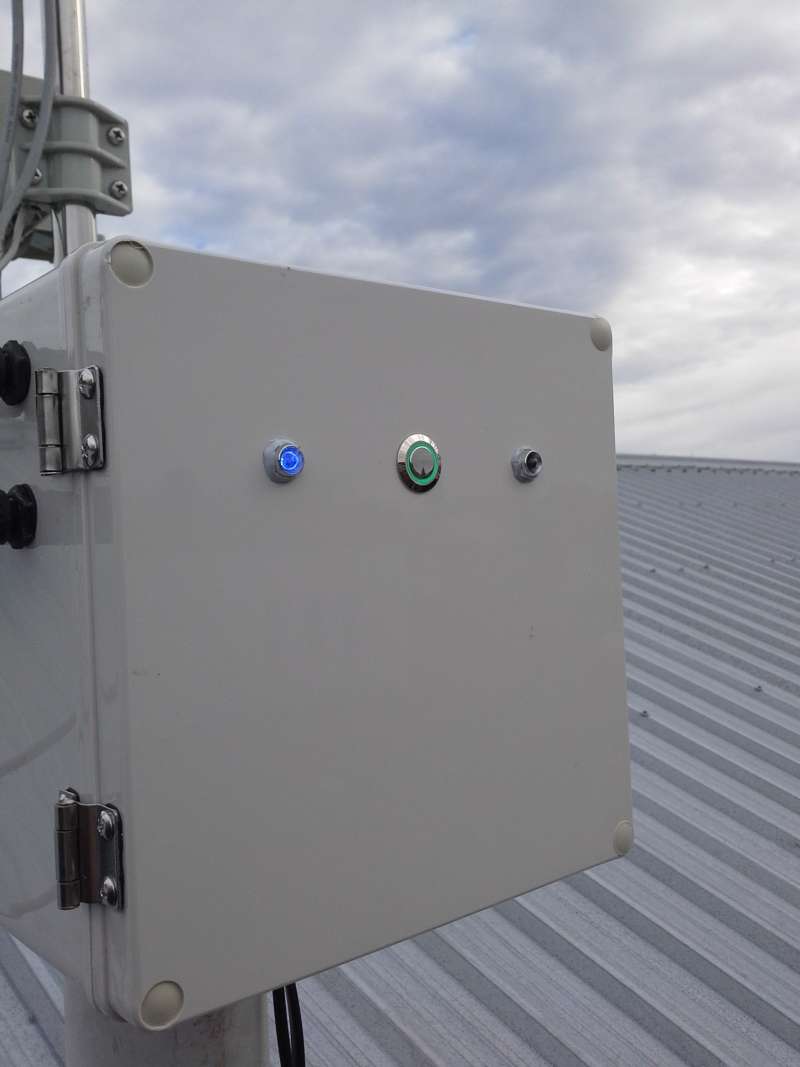
I have learned a lot in these 7 months and it was time to put what I have learned into practice. A few notes follow:
- Use a good solar charger: I used a cheap "switching" solar charger which did not manage my battery well and ended up damaging it. I would recommend a MPPT or PWM charge controller to manage your battery better. I am now using a PWM controller.
- Use a large battery: Better is better, especially over winter when there are a lot more overcast days and the sun hours are less. This will keep the system running through thick and thin. I went from a 7Ah, to a 9Ah and have finally settled on a 12Ah with this new design.
- Option of alternative power source: When it all goes wrong with your solar/battery combo, it is nice to rest knowing that you have a backup source of power. I have added provision for a mains powered adaptor which, through a relay, will drive the TX unit when the battery gets low. This could also be used in reverse like an uninterrupted power supply (UPS) for if the power fails, the battery will kick in. I have used a switch which has bicolour LEDs in it to give me a visual indicator on the outside of the TX box as to what state the station is in. Green for solar, red for mains power.
- External fuse holders: It is so much easier to replace fuses when they are on the outside of the box. It saves having to open the box and muck around trying to find the right fuse holder to replace. I have one fuse for the TX board and one for the solar panel. Always pays to be safe.
- Horizontal mount antenna: I do not understand the science, but it works so much better when the transmitter antenna is mounted horizontally.
- Easy access enclosure box: You may be surprised by the number of times you want to access the transmitter board. Using a box which has buckle locks on it will make things quick and easy to service. (It sure beets having to undo 6 screws when you want to change something).
- Mount sensor mast separately: Have your sensors secured to something that is not the enclosure box. The mast vibrates in the wind and when it is attached to the box (which is already heavy with the battery) it tends to become very heavy and puts extra forces on the mounting points.
- 30+ Watt solar panel: A 10 Watt panel will work over summer, but to get through the long winter with short days, a larger panel is needed to keep the battery at its best. This is something I will add later on.
- Use a good radiation shield: Make sure water can not easily be blown into the temperature's radiation shield. When it does, it can cause a short and ruin your hygrometer sensor.
A lot of this has already been said and discussed in other parts of this forum, but I thought it would be good to share my experiences.
Happy weather watching everyone.